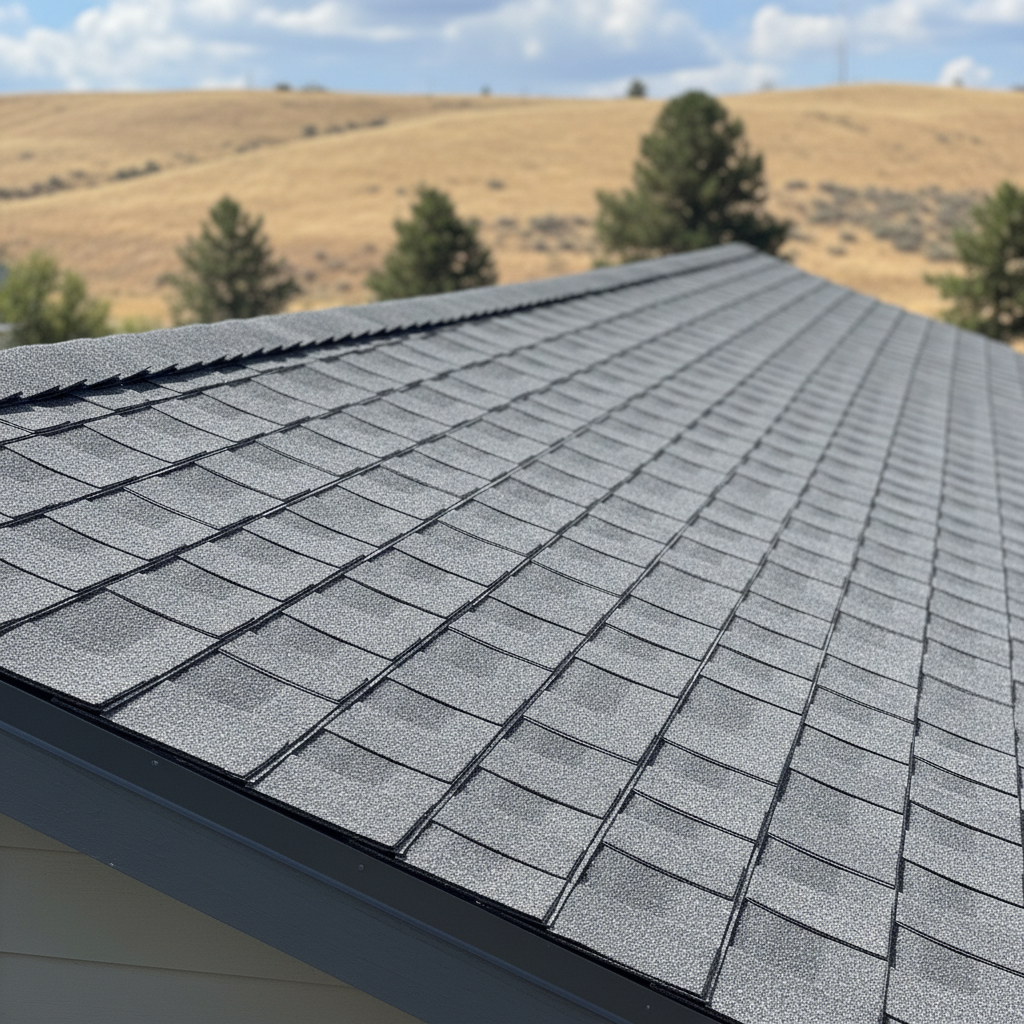
Alright, let's talk about your roof for a minute. It's probably the most important part of your house, protecting everything you own, but it's also one of those 'out of sight, out of mind' things for most folks, isn't it? You don't usually think about it until there's a problem.
But honestly, a little proactive checking can save you a whole lot of headache and money down the road. I'm not saying you need to climb up there with a hard hat every weekend. No, not at all. But knowing what to look for and when to call a pro is just plain smart. Here's my take on roof inspections for homeowners right here in Pasco.
Before You Even Think About Getting on the Roof
First things first: safety. If you're not comfortable on a ladder, or if your roof is steep, wet, or icy (which, let's be honest, can happen even in Pasco's dry climate during winter), don't even think about it. Seriously. Your life and health are worth more than a DIY inspection. Also, if you have a two-story house or a particularly high roof, that's probably a job for someone with the right gear and experience.
Before you do anything, grab a pair of binoculars. Seriously, a good pair of binoculars can tell you a lot from the ground. Walk around your house, look at all sides of the roof. What exactly are you looking for?
- Missing or damaged shingles: Are there any bald spots? Are shingles curling, cracking, or buckling?
- Granule loss: This is especially common on older asphalt roofs. You might see dark spots where the protective granules have worn off. Sometimes, you'll even spot a pile of them in your gutters.
- Flashing issues: Look around chimneys, skylights, and vents. Is the flashing bent, rusted, or pulling away? That's a prime spot for leaks.
- Sagging: Does any part of the roof look like it's dipping or sagging? That's a big red flag and needs immediate professional attention.
- Debris: Leaves, branches, and even moss can cause problems by trapping moisture.
Also, take a peek in your attic. Grab a flashlight and look for water stains on the underside of the roof decking or rafters. Check for mold or mildew. If you see daylight coming through anywhere, you've definitely got a problem.
What You Can Do Safely (and What You Shouldn't)
From the ground, you can clear debris from gutters with a pole or a leaf blower. You can also trim back tree branches that are scraping against your roof – that friction wears down shingles fast. Just be careful with ladders and power tools, okay?
If you're comfortable and have a stable ladder, you can get up to the edge of the roof to clear out gutters by hand. Make sure your ladder is on solid, level ground. Don't lean it against the gutters themselves; they're not designed to hold that kind of weight.
What you should NOT do is try to walk on the roof if you're not experienced. You could damage shingles, slip and fall, or even step on a weak spot. Leave the actual walking and close-up inspection to us. We know how to walk on different roof types without causing damage, and we've got the safety gear to boot.
When It's Time to Call Roofing Pros of Pasco
So, you've done your ground-level check, maybe peeked in the attic, and you've found something concerning. Or maybe you haven't found anything, but your roof is getting up there in age (most asphalt roofs last 15-20 years, depending on the quality and Pasco's sun exposure). That's when you call us.
Here's when you absolutely need a professional inspection:
- After a major storm: High winds, hail, or heavy rain can cause damage you can't see from the ground. Even if you don't see obvious damage, a professional can spot subtle issues that could lead to leaks later.
- If you see any of those red flags: Missing shingles, granule loss, sagging, flashing problems, or attic leaks. Don't wait.
- Before buying or selling a home: A professional roof inspection is a crucial part of due diligence.
- If your roof is 10+ years old: Even if it looks fine, a professional can assess its overall condition and give you an idea of its remaining lifespan. We can spot things like worn-out sealants or subtle shingle deterioration that you'd miss.
- If you have a complex roof: Lots of valleys, dormers, or a low-slope section? Those are tricky areas that need an expert eye.
We've got the tools, the training, and the experience to safely get up there, identify issues, and give you an honest assessment. We'll take pictures, explain what we find, and give you options. Sometimes it's a simple repair; sometimes it's time to start thinking about replacement. Either way, you'll have the information you need to make a good decision for your home.
After the Inspection (Ours or Yours)
If you did your own ground-level inspection and everything looks good, great! Keep an eye on it, especially after any high winds or heavy rain. If you called us, we'll give you a detailed report. Make sure you understand what we found and what our recommendations are. Don't be afraid to ask questions. We're here to help you keep your home safe and dry.
A little proactive care goes a long way. Your roof works hard for you, so give it a little attention now and then. It'll thank you for it by keeping your family safe and dry for years to come.