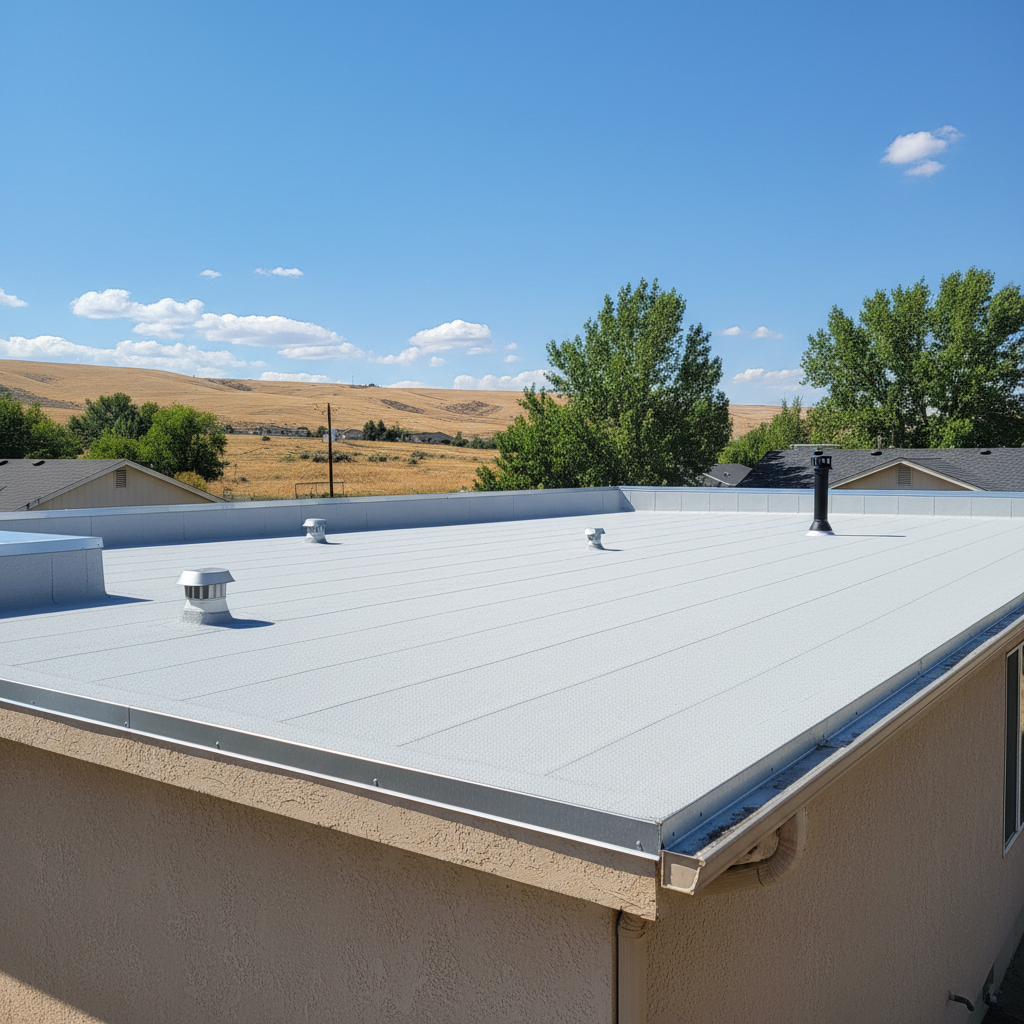
Flat roofs are a common sight on commercial buildings and even some modern homes around Pasco. They're great for maximizing space and often have a clean, modern look. But let's be real, they've got their own quirks when it comes to maintenance, especially with our Tri-Cities weather. You can't just ignore 'em and hope for the best. That's a surefire way to end up with bigger, more expensive headaches down the road.
Extending Your Flat Roof's Life: It's All About Being Proactive
You've invested good money in that roof, right? So, let's talk about how to make it last. It's not rocket science, but it does take some consistent effort. Think of it like changing the oil in your truck; you wouldn't skip that, would you?
- Keep it Clean, Seriously: This is probably the biggest one. Leaves, dirt, branches, even tumbleweeds that blow in from the desert – they all collect on a flat roof. When they get wet, they hold moisture against the membrane, which can lead to degradation over time. Plus, debris can block drains and scuppers. You want that water moving off your roof, not sitting on it. I recommend clearing off your roof at least twice a year, maybe more if you've got a lot of trees nearby or after a big windstorm.
- Mind the Ponding Water: After a rain, if you see puddles that are still there 48 hours later, you've got a ponding issue. This is bad news. Constant standing water puts a lot of stress on the roofing membrane and can accelerate its breakdown. It's often a sign of poor drainage or minor structural issues. Don't let it go.
- Trim Those Trees: Any tree branches hanging over your roof are potential trouble. They drop leaves, twigs, and sap. During a strong wind, they can scrape or puncture the membrane. Keep 'em trimmed back at least 6-8 feet from the roof's edge.
- Control Foot Traffic: If people are regularly walking on your flat roof for HVAC maintenance or just to hang out, make sure they know where to step. Heavy foot traffic can damage the membrane, especially around vents or equipment. Consider installing walk pads if it's a high-traffic area.
What Regular Maintenance Looks Like for a Pasco Flat Roof
Okay, so what should you actually be doing? Here's the routine I recommend to my clients:
- Spring Check-Up: After the winter, give your roof a good once-over. Look for any damage from snow or ice, clear out drains, and check for new debris. Our Pasco winds can be brutal, so look for anything that's been dislodged.
- Fall Clean-Out: Before the wet season really kicks in, get up there and clear off all the leaves and debris that have accumulated over the summer. Make sure all your drains and gutters are clear so they can handle the winter rains.
- Visual Inspections (Monthly/Quarterly): You don't need to get on the roof every month, but a quick look from the ground or a higher window can tell you a lot. Are there obvious puddles? Is there a pile of leaves building up? Catching small issues early saves you big money.
Warning Signs You Can't Ignore
Your roof will usually give you clues when something's wrong. You just need to know what to look for. Don't wait until water is dripping onto your office desk or into your living room.
- Cracks, Blisters, or Splits: These are direct indicators that your membrane is failing. UV exposure, temperature fluctuations (which we get plenty of here in Pasco, going from freezing winters to scorching summers), and age all contribute. A small crack can become a big leak fast.
- Ponding Water (Again): If you see persistent puddles, especially if they're getting bigger or not drying up, that's a problem. It means your roof isn't draining correctly, and the water is breaking down the membrane.
- Sagging Areas: If parts of your roof look like they're dipping or sagging, that's a serious structural concern and often points to water damage in the decking below.
- Water Stains Inside: This is the most obvious sign, but often by the time you see a stain on your ceiling, the problem has been there for a while and could be extensive. Don't ignore a new water spot!
- Loose Flashing or Seams: The edges of your roof, around vents, skylights, and parapet walls, are critical. If the flashing or seams are lifting, separating, or look worn, that's a prime entry point for water.
When to Call a Professional (Like Us!)
Look, a lot of this maintenance you can handle yourself if you're comfortable and have the right safety gear. But there are definitely times when you need to bring in the experts. Don't try to be a hero and risk your neck or make a small problem worse.
- Any Signs of Damage You Can't Fix: If you see cracks, splits, significant blistering, or loose seams, that's beyond a simple clean-up. You need a professional assessment and repair.
- Persistent Ponding Issues: If you've got ponding water that doesn't go away, it might indicate a drainage problem or even a structural issue that needs a trained eye to diagnose.
- Leaks, Obvious or Suspected: If you've got water stains, drips, or even just a musty smell that suggests moisture, call us. Finding the source of a leak on a flat roof can be tricky, as water can travel far from its entry point.
- Annual Inspections: Even if you're doing your own routine maintenance, it's a smart move to have a professional like Roofing Pros of Pasco do a thorough inspection once a year. We'll spot things you might miss and can give you an honest assessment of your roof's overall health. We've got the tools and the experience to catch potential issues before they become major headaches.
Taking care of your flat roof isn't just about avoiding leaks; it's about protecting your entire building and everything inside it. A little attention now can save you a whole lot of money and stress later. If you've got questions or need a hand, you know who to call.