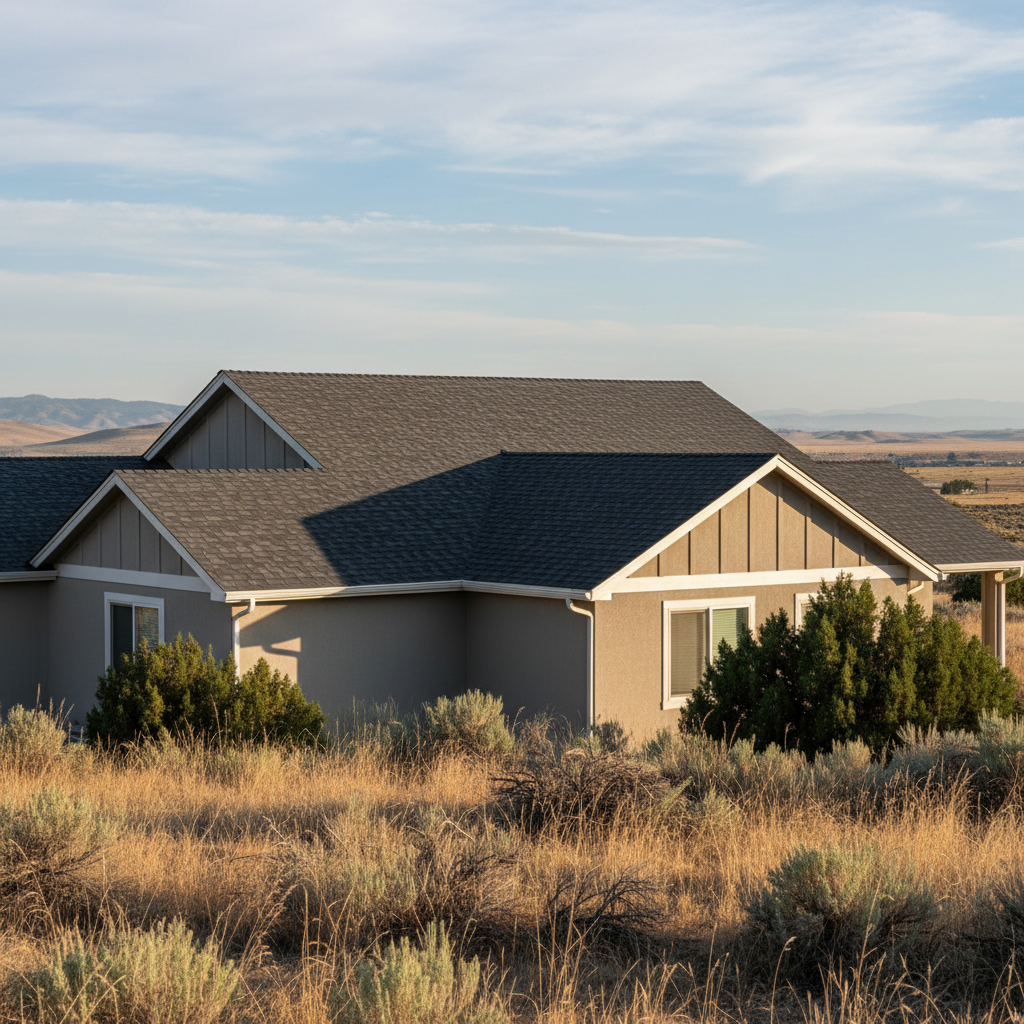
When's the best time to get a new roof here in Pasco? That's a question I hear a lot, and for good reason. Our climate isn't anything like Seattle's, that's for sure. We've got our own unique challenges and opportunities when it comes to roofing, and picking the right time for your project can really make a difference in how good your new roof is and how long it lasts.
Understanding Pasco's Seasons and Your Roof
You know how it goes around here. We get those super hot summers, and then the chilly, sometimes pretty damp, winters. Both of these extremes can mess with a roof installation. It's not just about keeping my crew comfortable; it's also about how the materials act and how well they'll seal up. You wouldn't want shingles put down when they're too brittle from the cold, or too soft and sticky from the heat, would you?
For us, the sweet spot for most roof installations usually falls in late spring, early summer, and then again in the fall. Why those times? Well, let's break it down a bit.
Spring and Early Summer: The Prime Window
Once the last of the winter chill has finally left, typically by April or May, and before those scorching 100-degree days really hit, that's often just right. Temperatures are moderate, usually in the 60s and 70s. This is perfect for asphalt shingles; they need a specific temperature to properly seal and bond. If it's too cold, they won't seal right away, leaving them open to wind damage. If it's too hot, they can be a real pain to work with, and you risk damaging them just by walking on them. Plus, we generally see less rain during these months, which is a huge bonus for keeping your roof deck dry during installation, obviously.
The only real downside? Everyone else in Pasco is thinking the same thing, so schedules fill up fast. If you're planning for spring, you'll definitely want to get on the books with a good contractor like Roofing Pros of Pasco early.
Fall: A Strong Second Contender
After our blistering summers, when things start to cool down in September and October, that's another excellent time. Daytime temperatures are usually back in that comfortable range, and while we might get some rain, it's typically not the constant, cold drizzle that makes roofing a nightmare. The ground is often dry from the summer, and the air isn't too humid. This allows materials to settle nicely without expanding or shrinking too much.
You do have to keep a close eye on the forecast, though. We can get those early cold snaps or unexpected rainstorms. A good contractor will always be watching the weather closely and adjust the schedule if needed to protect your home — yours, specifically.
What About Summer and Winter?
Summer Heat
Our Pasco summers are no joke. Those long stretches of 90+ and even 100+ degree days? They're tough on everyone, including your roof. Installing a roof in extreme heat means the shingles are incredibly pliable, sometimes too much so. They can scuff easily, and the adhesive can get messy. My crew works hard, but safety is always the top priority, and working on a black roof under a blazing sun is incredibly demanding. We can do it, but it often means starting super early and finishing before the worst of the heat, which can stretch out the project timeline a bit.
Winter Chill
Winter brings its own set of problems. Cold temperatures make asphalt shingles brittle. They can crack when handled, and they definitely won't seal properly. We also deal with frost, ice, and occasional snow, which makes the roof surface slippery and dangerous. Plus, the shorter daylight hours mean less time to get work done safely. While minor repairs might be possible, a full roof replacement in the dead of winter is something we generally try to avoid unless it's an absolute emergency.
Year-Round Protection: Beyond Installation
Getting your roof installed at the right time is just the start. To protect that investment year-round, especially with our climate, you've got to keep an eye on it. Those summer winds can kick up debris, and the heat can speed up wear. Winter brings moisture and potential for moss or algae growth, particularly on north-facing slopes or in shaded areas like those older homes near the Pasco Golf Course.
- Regular Inspections: I always tell folks to do a visual check a couple of times a year, especially after any big storms. Look for missing shingles, damaged flashing around vents, or anything that just looks off.
- Keep it Clean: Clear leaves, branches, and other debris off your roof and out of your gutters. Blocked gutters are a major cause of water damage, especially when the rain finally does come.
- Trim Trees: Overhanging branches can scratch your roof, drop debris, and provide easy access for critters. Keep them trimmed back.
Ultimately, a quality roof installed at the right time by experienced local pros will give you peace of mind for years. Don't hesitate to reach out if you're wondering about the best time for your specific project.